Aug 2, 2026
The Parts That Move Are the Parts That Fail

Everything that breaks is something that moves
If you read the last post, you know we switched the swappable plates from glued magnets to screw-attached ones. On paper, that sounds like a pretty small change. Replace one type of magnet with another and move on.
In reality, it wasn’t. Getting it right took a big part of the last ten months. And it ended up teaching me something important: once you understand why the magnets failed, you start seeing the same kind of problem in other parts of the product too.
The plates themselves actually came out of it better than I expected. The magnets were designed specifically for this version, so we didn’t have to change the overall shape or the existing M3 holes. What changed was what those holes were actually doing. The plate was no longer just holding switches. It had become a structural part of the assembly, taking the pull-out force every time you swap it.
Which moved everything under it
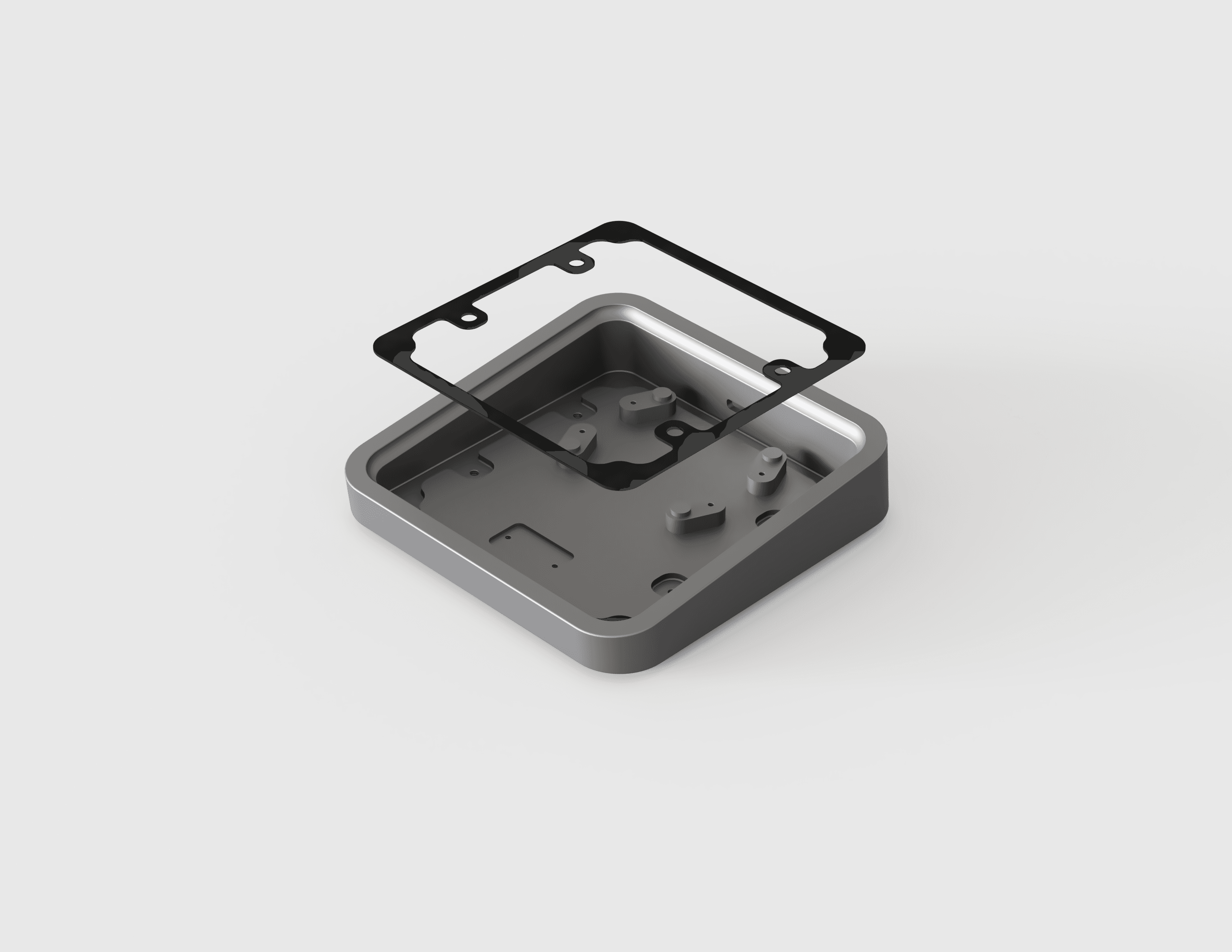
Once the plate changed, everything around it had to change too. The plates sit at a fixed angle so they line up properly with the pogo pin board, which means every layer underneath has to land in exactly the right place. Change the thickness or stiffness of the top layer and suddenly you have to go back and check the whole stack.
One of the things that came out of that rework was a dedicated plate between the interface layer and the electronics. It also holds the pogo pin connector. Instead of relying on a chain of parts to keep the connector aligned, it is now located directly from one rigid part. That makes the alignment much more predictable and less dependent on tolerances happening to stack up in the right direction.
The same problem, somewhere else entirely
Here is where the magnet failure actually paid off.
The lesson wasn’t really about magnets. It was about looking at the parts that get moved over and over again. In a product like this, those parts are usually not what fails. It’s whatever is holding them in place. The magnet itself was fine. The bond wasn’t.
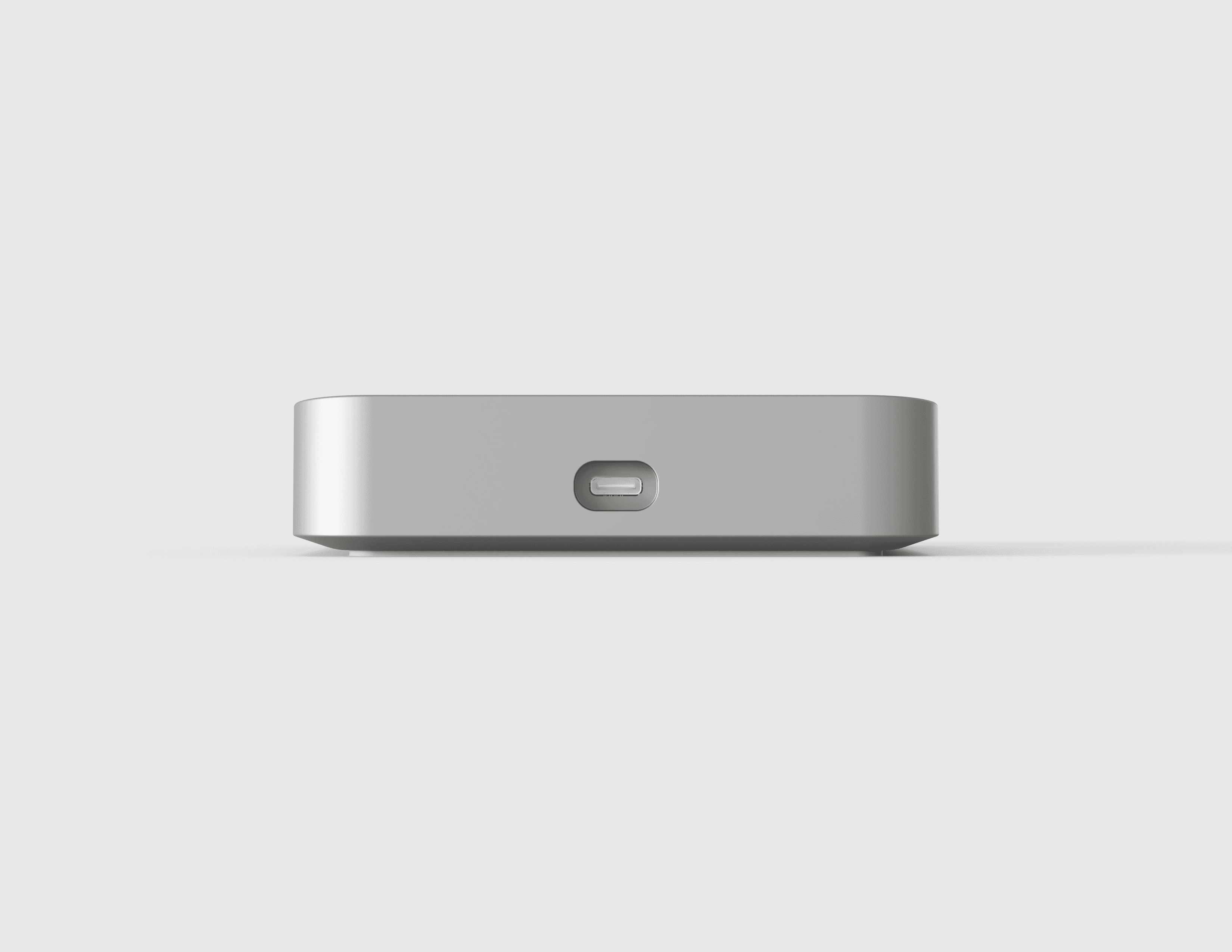
So I started looking for anything else in the product that gets moved repeatedly. The obvious one was the USB-C port.
A USB-C connector on a desk device can be plugged and unplugged thousands of times over its lifetime. Every time you do, you’re applying a small amount of leverage to the board it’s soldered to. If the board can flex even slightly, that movement gets transferred to the solder joints and the mechanical anchors holding the connector in place. Over time, those tiny movements can turn into intermittent connections or a dead port.
The fix was to add structural pillars supporting the mainboard that carries the USB-C port. Instead of the board being mostly supported at its edges, it is now properly braced around the connector. When you push a cable into the port, the force goes into the enclosure rather than into the PCB.
It adds a little internal volume and a few extra features to the enclosure, and nobody will ever see them. But those are exactly the kinds of changes that can make the difference between a product that still works years later and one that develops an intermittent charging problem after a couple of years.

And then the electronics
Once you start changing the mechanical design at this level, the electronics have to follow.
The mainboard went through a few changes too, both in the routing and in the BOM. We removed a few passive components that weren’t really adding much. They provided very little filtering benefit and didn’t give us much advantage on the USB lines either, which only run at USB 2.0 speeds and didn’t need the extra protection.
We also changed the eMMC footprint so it can accept a wider range of memory packages. That might sound minor, but it gives us more flexibility when sourcing components instead of making the whole board dependent on a specific manufacturer or package.
The most subtle change was probably the PCB itself. We went from four layers down to two. It doesn’t sound like much, but that change alone brought the manufacturing cost down by around 3–4%.
Why the gap
I didn’t post anything for ten months because, for most of that time, the honest update was basically: “still fixing it.” I’d rather wait and write one post that explains what actually changed than put out twelve updates saying we’re making progress.
There’s also one big part of the last ten months that I’ve barely talked about here: the app. A lot of the work actually went into the software rather than the hardware, and that deserves its own post.
That’s the next one.
share